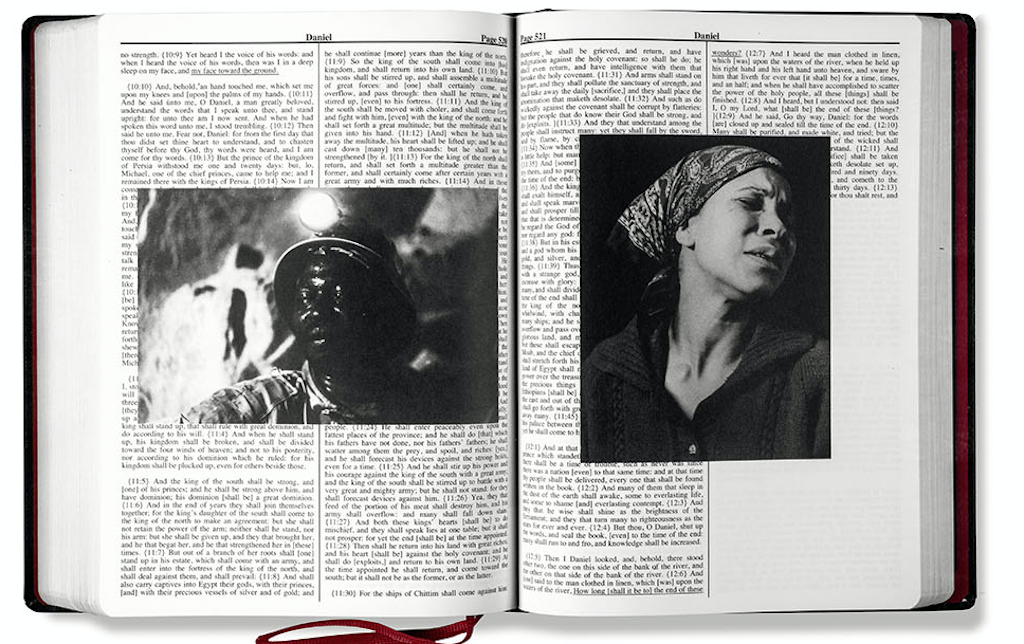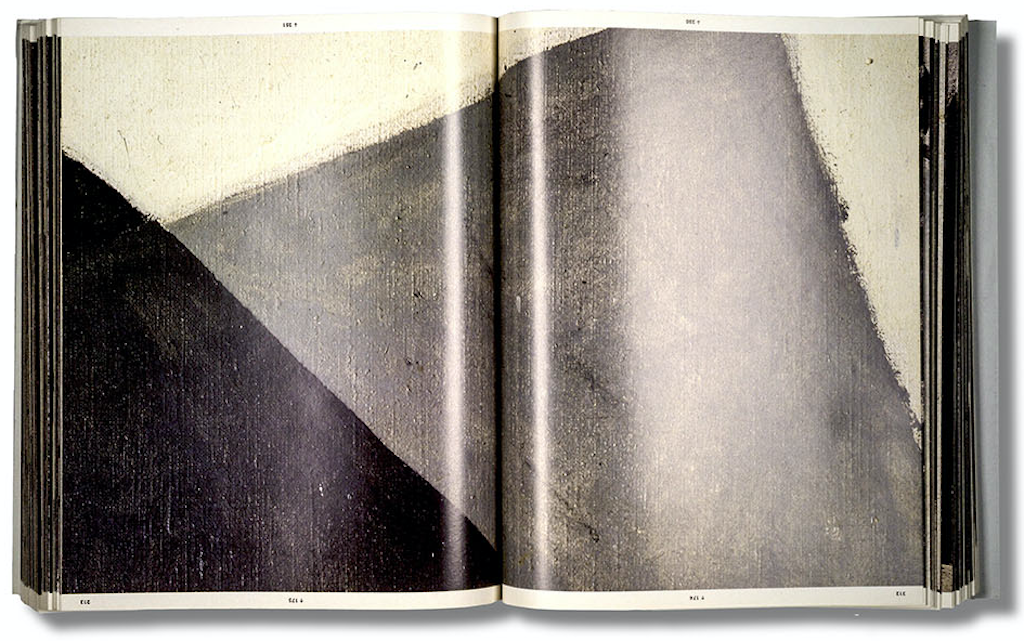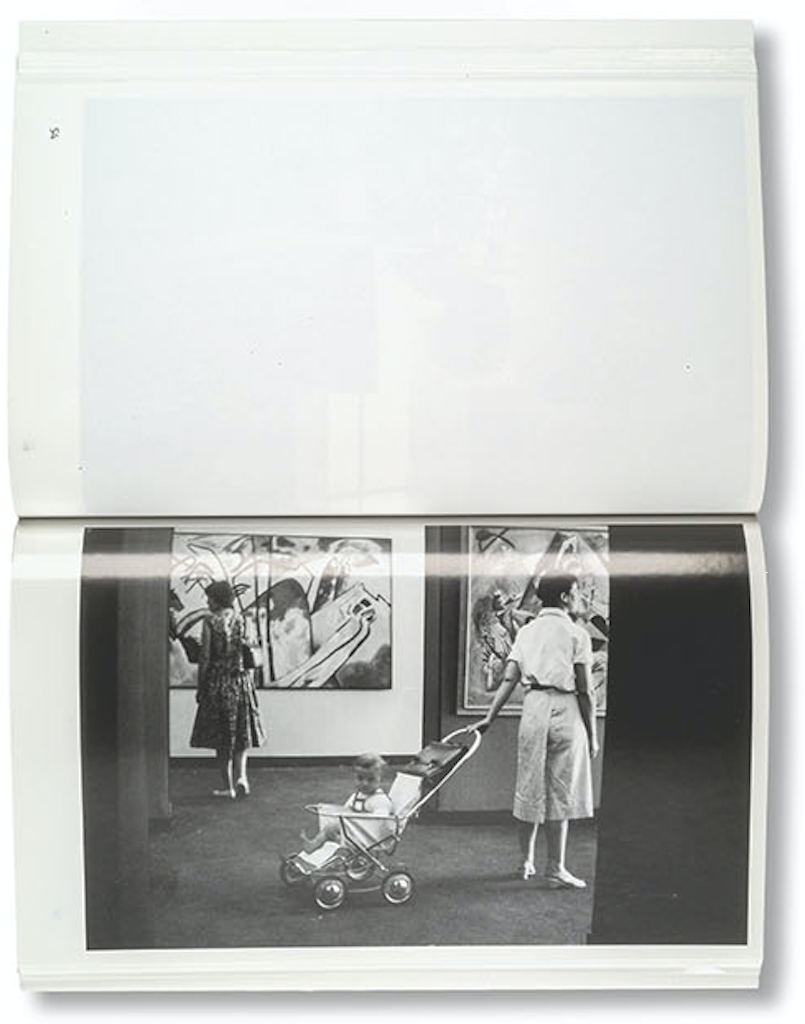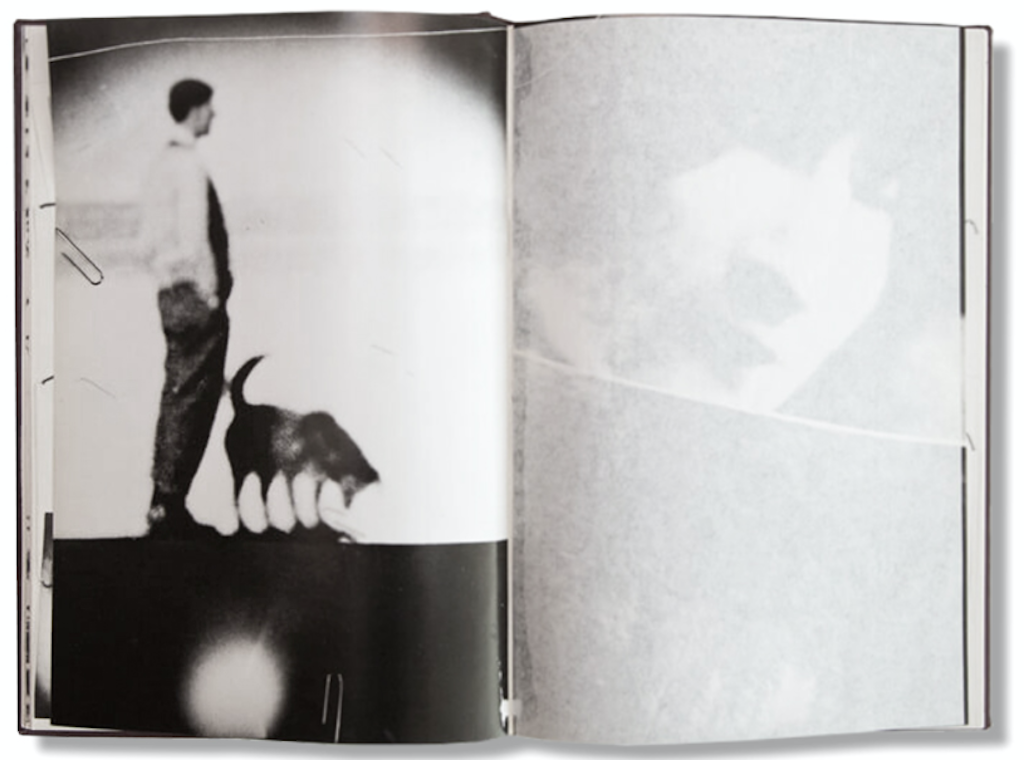
In the spring of 2019, I was asked to give a talk to students on the Master’s program in Typography at the Hamburg University of Fine Arts, discussing a selection of publications that illustrate “different ways of presenting artworks in books.” The idea was to explore the possibilities of the book as a medium for presenting art, going beyond the mere reproduction of works (through photography, drawing, etc.) to employ other tactics that are not only formally innovative, but also productive in terms of the levels of meaning they can bring to reading.
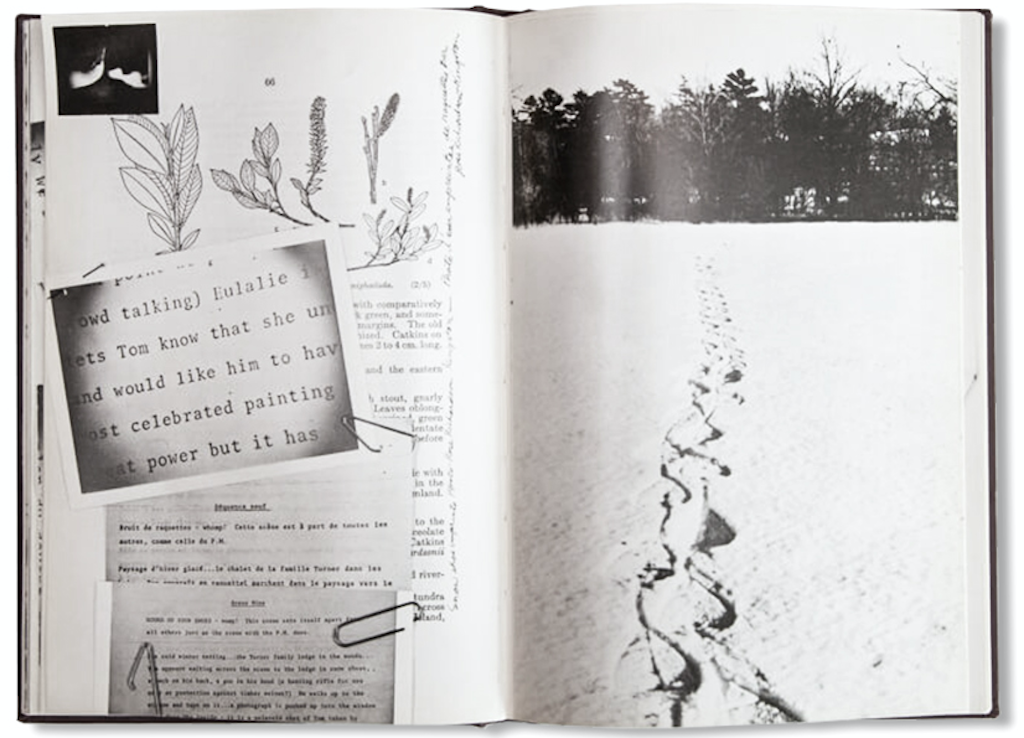
This invitation, for once, allowed me to sidestep the question of the definition of the artist’s book, since, as I was told, my selection could include artist’s books but did not necessarily have to consist only of them. With this freedom, I decided to compile for my presentation artist’s publications as well as other books that, at first glance, are not associated with this category. I also chose to focus on the question of representation according to two criteria: in the books chosen, photography would be the main graphic resource, and the perspective—the point of view—of the author and the reader would function in an unconventional or particularly complex way.
In response to this invitation, I set out to gather a series of examples in which the use of photography as a graphic resource maximizes the potential of the book as a medium for the transmission of content, in this case, artistic content. Taking this presentation as a starting point, shortly afterwards I wrote a text that was published in Spanish and Catalan by the Polytechnic University of Valencia.